

Positive thinking exercises are small daily practices that train your attention toward what is useful and workable, without denying what is hard. They are not about forcing a smile or banning bad thoughts. Each exercise below takes between one and ten minutes, and you only need two or three of them to feel a difference.
Last updated: November 2026
This guide groups the sixteen exercises by what they train (attention, body, words and connection), shows how long each takes, and ends with a five-minute routine to start with. If you tend to spiral, read it alongside the guide on filtering negativity.
What Positive Thinking Is, and What It Is Not
Positive thinking is not pretending. It is a habit of noticing what is going right, what is in your control and what the next small step is. A positive thinker still has bad days. The difference is where the attention goes once the bad moment has passed.
That is why the exercises work best as training, not as emergency fixes. Like any skill, they build slowly and show up most when you need them.
Step Zero: Notice Your Pattern
Before you add anything, spend one day noticing how your mind runs when it is stressed. Most loops fall into three kinds:
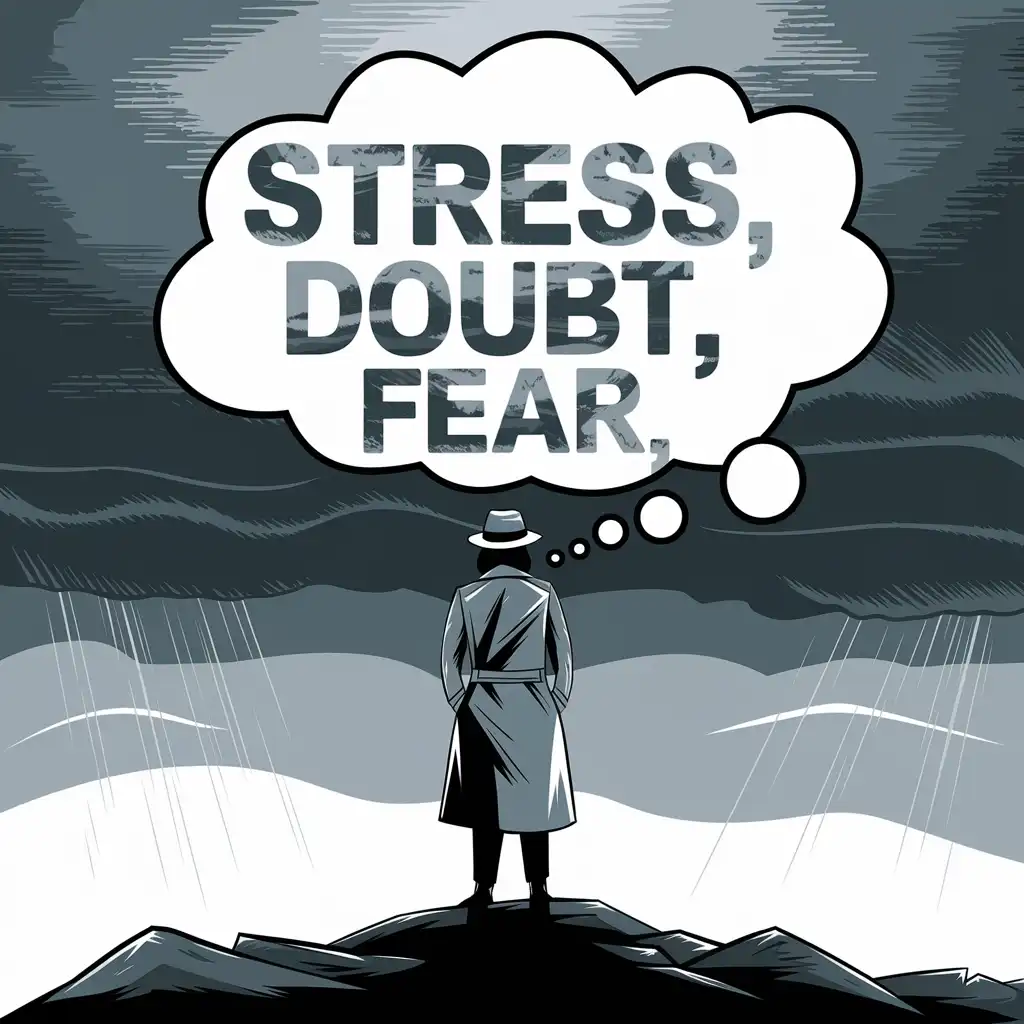
- The worst-case forecast: “this will go badly” before anything has happened.
- The comparison: measuring your life against someone else’s highlight reel.
- The replay: going back over a conversation or mistake that cannot be changed.
Write down which one you do most. That tells you which exercises to start with: forecasters do well with the attention exercises, comparers with gratitude and connection, replayers with the body and evening exercises.
Group 1: Train Your Attention
1. Gratitude journaling (3 minutes)
Write three specific things you are grateful for, and one line on why each matters. Specific beats general: “the neighbour who held the door while I carried the shopping” works better than “my neighbours”.
2. Reflect on achievements (3 minutes)
Write down one thing you finished or handled well today, however small. This corrects the mind’s habit of remembering what went wrong and skipping what went right.
3. Positive reading (5 minutes)
Read a few pages of something that leaves you steadier, such as a book you return to, a good essay or a collection of quotes you like. Make it a fixed slot, ideally the first or last part of the day.
4. Uplifting music or audiobooks (10 minutes)
Use commuting, cooking or walking time for music or an audiobook that lifts your mood. Choosing your input on purpose is an easy first step, because it takes no extra time.
5. Limit negative inputs (setup 10 minutes)
Turn off non-essential notifications and give the news and feeds two fixed windows a day. You are not ignoring the world, you are choosing when to let it in.
Group 2: Use Your Body
6. Mindful breathing (2 minutes)
Breathe in for four counts and out for six, six times. A longer exhale tells the body it can settle. Do it before a hard conversation or when you notice tension.
7. The smile exercise (1 minute)
Smile deliberately for a minute while you do something routine. It may nudge your mood a little, though the evidence on this is mixed, so treat it as a cheap experiment and not a cure.
8. Nature connection (10 minutes)
Spend ten minutes outdoors with no phone. Look at something far away, such as the sky or the end of the street. Daylight and distance both help. For a fuller guide to using time outdoors for your mood, see nature therapy.
9. Gratitude walk (10 minutes)
Combine two practices: walk, and name one thing you appreciate every two minutes. It gives restless people a way to practise gratitude without sitting still.
10. Mindful eating (5 minutes)
Eat one meal or snack slowly, without screens. Notice taste, texture and temperature. It brings you back to the present and is hard to do while worrying.
Group 3: Use Your Words and Images
11. Positive affirmations (2 minutes)
Say a short statement you can believe, such as “I can handle the next step” and not “I am perfect”. Affirmations that are too far from how you feel can backfire, so keep them modest and true enough.

12. Visualization (3 minutes)
Picture the day going the way you want, and then picture one obstacle and how you will handle it. The second part matters. Imagining only success can leave you unprepared.
13. A vision board (20 minutes, once a month)
Collect images and words that represent where you want your life to go and keep them somewhere you see daily. Treat it as a reminder of direction, then pair it with one small action each week.
Group 4: Connect
14. Acts of kindness (5 minutes)
Do one small kind thing a day: send a thank-you message, hold a door, check in with someone. Kindness turns attention outward, which loosens the grip of your own worries.
15. Nurture positive relationships (10 minutes)
Spend a few minutes each day on someone who leaves you feeling better. Call them, message them or plan a meet-up. Notice who energises you and who drains you, then adjust where your time goes.
Evening
16. Daily reflection (3 minutes)
Before bed, write one thing that went well, one thing that did not and what you would do differently. Then close the notebook. The review gives your mind a place to put the day.

Which Exercise to Start With
| If you tend to… | Start with | Time |
|---|---|---|
| Forecast the worst | Gratitude journaling or visualization (with the obstacle step) | 3 min |
| Compare yourself to others | Gratitude journaling, limit negative inputs | 3 to 10 min |
| Replay the past | Mindful breathing, daily reflection | 2 to 3 min |
| Feel tense or restless | Gratitude walk, nature connection | 10 min |
| Feel isolated | Acts of kindness, nurture positive relationships | 5 to 10 min |
| Run on autopilot | Mindful eating, positive reading | 5 min |
A 5-Minute Starter Routine
- Morning (2 minutes): six slow breaths, then one affirmation you can believe.
- Midday (1 minute): pick one exercise from the table and do it where you are.
- Evening (2 minutes): three gratitudes, or the daily reflection.
Run it for two weeks, then add one exercise from the list. A short routine you keep beats a long one you drop.
Common Mistakes
- Starting with too many. Pick two. Add a third only when the first two feel automatic.
- Forcing positivity. If an affirmation feels like a lie, reword it until it is believable.
- Skipping the hard feelings. The goal is to notice and sort, not to suppress. A negative feeling that is true and useful should be acted on. The filtering negativity guide shows a simple three-question test.
- Expecting a quick change. These are skills. Judge them by whether you recover faster, not by whether you feel happy every day.
Where to Go Next
Positive thinking works best alongside other practices: filtering negativity when the noise is loud, positive self-talk when your inner critic is the problem, and focusing on solutions when you are stuck on a specific problem. For small daily habits that look after your energy, see our self-care ideas.
Frequently Asked Questions
What are positive thinking exercises?
Short daily practices, such as gratitude journaling, breathing and reflection, that train your attention toward what is useful and workable.
How long does it take for positive thinking to work?
Simple exercises can help in the moment. Lasting change in your default thinking takes weeks of repetition, so judge progress by how quickly you recover from setbacks.
Which exercise is best for beginners?
Gratitude journaling. It takes three minutes, needs no equipment and is easy to do at the same time each day.
Can positive thinking replace professional help?
No. These practices are everyday tools. If low mood or anxiety is persistent or getting in the way of daily life, a doctor or therapist is the right next step.
What if affirmations feel fake?
Make them smaller and more believable. “I can take the next step” is easier to accept than “I am confident”.
The Takeaway
You do not need sixteen exercises. You need two or three you will actually do. Notice your pattern, pick from the table, run the five-minute routine for two weeks, then add one more.
Know someone who would use this? Send it their way.


